
How to Use VPNs for Secure Remote Work While Traveling
As you embark on your remote work journey, let the virtual private network (VPN) be your trusted companion. With its encrypted tunnels and secure connections, a VPN ensures your data remains protected while you explore the world and conquer your professional goals.

How Remote Work Will Impact the Future of Art and Culture
As remote work becomes the new norm, the future of art and culture is set to undergo a transformative shift. From virtual exhibitions to collaborative online performances, artists and creators are embracing technology to connect with audiences in innovative ways, blurring the boundaries between physical and digital realms.
The Importance of Cultural Sensitivity in Global Remote Work
In the interconnected world of global remote work, cultural sensitivity plays a pivotal role in fostering effective collaboration and understanding among diverse teams. By embracing cultural differences and adapting communication styles, remote workers can build stronger relationships, enhance productivity, and create a harmonious work environment that transcends geographical boundaries.
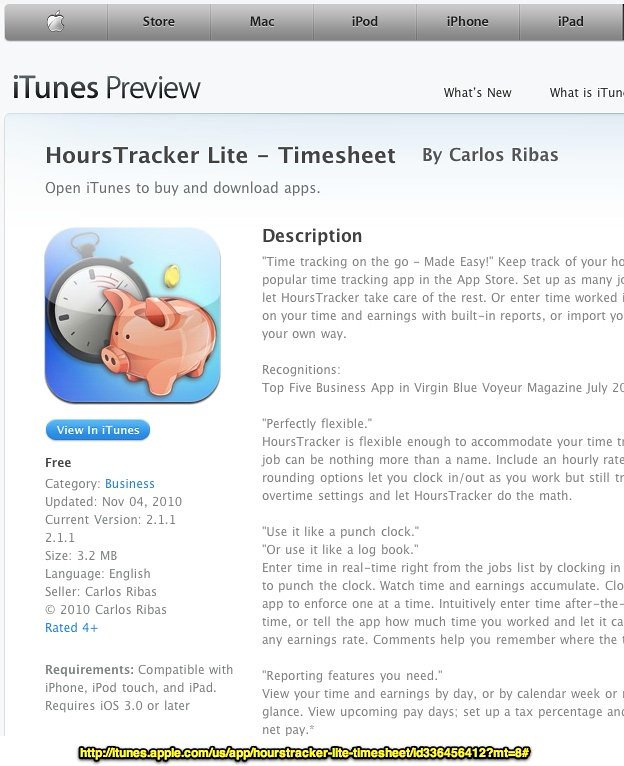
The Best Time-Tracking Apps for Remote Workers
As remote work becomes increasingly popular, time-tracking apps have become essential tools for remote workers to stay organized and productive. From simple timers to comprehensive project management platforms, these apps offer a range of features to help remote workers track their time and manage their tasks efficiently.

The Importance of Financial Literacy in Remote Teams
In the digital age, where remote teams are becoming increasingly common, financial literacy plays a crucial role in ensuring the success and stability of these teams. Understanding financial concepts and practices empowers remote workers to make informed decisions, manage their finances effectively, and contribute to the overall financial health of the team.

The Psychology of Color: Designing a Productive Home Office
Working from home has become the new norm, and creating a productive home office is essential. The psychology of color plays a crucial role in designing a space that fosters focus, creativity, and productivity. From calming blues to energizing yellows, understanding the impact of color can transform your home office into a sanctuary of productivity.

The Benefits of a Diverse Remote Team
In a world where distance is no longer a barrier, a diverse remote team brings together a wealth of perspectives, experiences, and ideas. This melting pot of talents fosters innovation, creativity, and problem-solving, ultimately leading to a stronger and more successful organization.

Remote Work and Socializing: Virtual Team Building Activities
In the era of remote work, virtual team building activities have become essential for fostering social connections among colleagues. From online trivia games to virtual happy hours, these activities provide a fun and engaging way for remote teams to bond and build relationships, despite the physical distance.

How to Create a Remote Work Disaster Recovery Plan
In the ever-evolving landscape of remote work, having a disaster recovery plan is crucial. From data breaches to natural disasters, this article explores creative strategies to ensure business continuity and minimize disruptions when working remotely.

The Future of Remote Work and Employee Accountability
As remote work becomes increasingly prevalent, the future holds a delicate balance between flexibility and accountability. Employers must adapt to new methods of measuring productivity and ensuring employee engagement, while employees must navigate the challenges of maintaining focus and work-life boundaries in a remote setting. The future of remote work hinges on finding innovative solutions that foster trust, collaboration, and accountability in a virtual workspace.
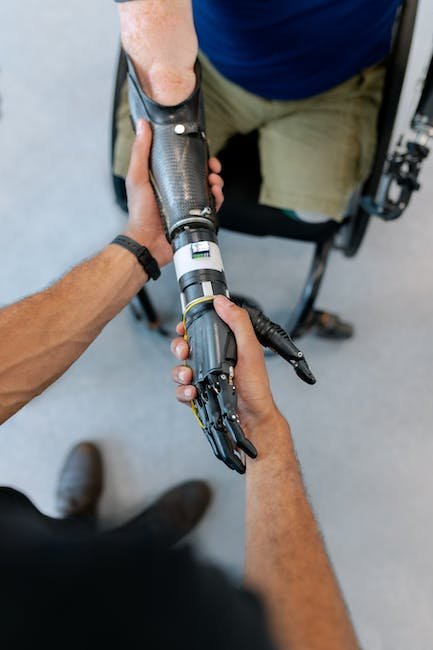
The Role of Exoskeletons in Remote Work (For Real!)
As remote work becomes increasingly prevalent, exoskeletons are emerging as a game-changer in enhancing productivity and reducing physical strain. These wearable robotic devices offer a unique solution to the challenges faced by remote workers, providing support and assistance for tasks that require physical exertion, ultimately revolutionizing the way we work from afar.
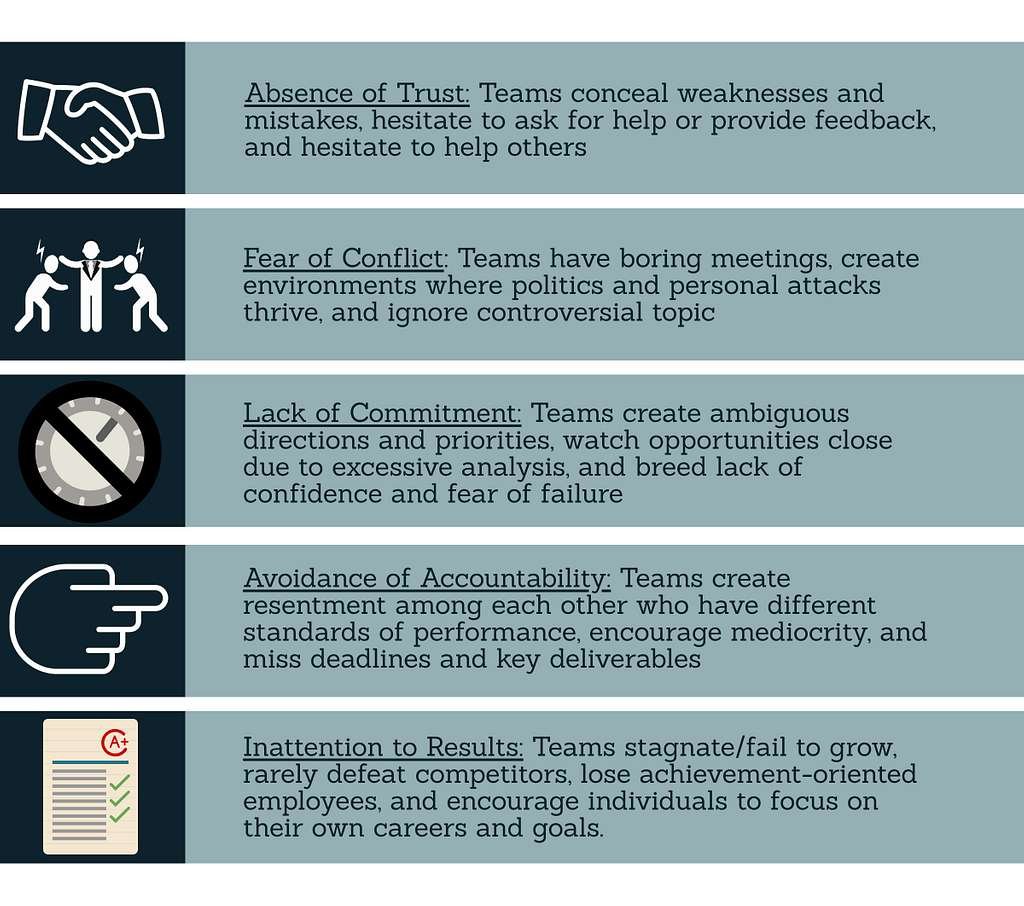
The Importance of Employee Accountability in Remote Work Policies
In the realm of remote work, employee accountability becomes paramount, as the physical distance between team members can lead to a lack of oversight. Establishing clear expectations, regular check-ins, and fostering a culture of trust are crucial to ensure productivity and success in remote work policies.