
The Future of Remote Work and Employee Engagement
As remote work becomes the new norm, the future holds exciting possibilities for employee engagement. With advanced technology and innovative communication tools, companies can foster a sense of belonging and collaboration among remote teams, ensuring productivity and job satisfaction thrive in this evolving landscape.

How Remote Work Helped Me Write a Broadway Hit: A Theatrical Triumph
In the midst of a global pandemic, remote work became my creative sanctuary, allowing me to pen a Broadway hit from the comfort of my home office. The virtual collaboration with talented artists across the globe brought my theatrical vision to life, proving that distance is no barrier to artistic triumph.

How to Foster a Supportive Remote Work Culture
In the virtual realm, building a supportive remote work culture requires more than just technology. It demands empathy, clear communication, and intentional efforts to connect with colleagues. Here are some creative ways to foster a sense of belonging and collaboration in the digital workspace.

How to Use Microsoft Teams for Remote Work
In the era of remote work, Microsoft Teams has emerged as a powerful tool for seamless collaboration. From virtual meetings to file sharing, this article explores the creative ways to make the most of Teams and enhance productivity while working remotely.

The Role of Virtual Reality in the Future of Remote Work
As the world embraces remote work, virtual reality is poised to revolutionize the way we collaborate and connect. With immersive experiences and lifelike interactions, VR has the potential to bridge the physical distance between colleagues, creating a sense of presence and enhancing productivity like never before.
The Importance of Employee Recognition in Remote Work Policies
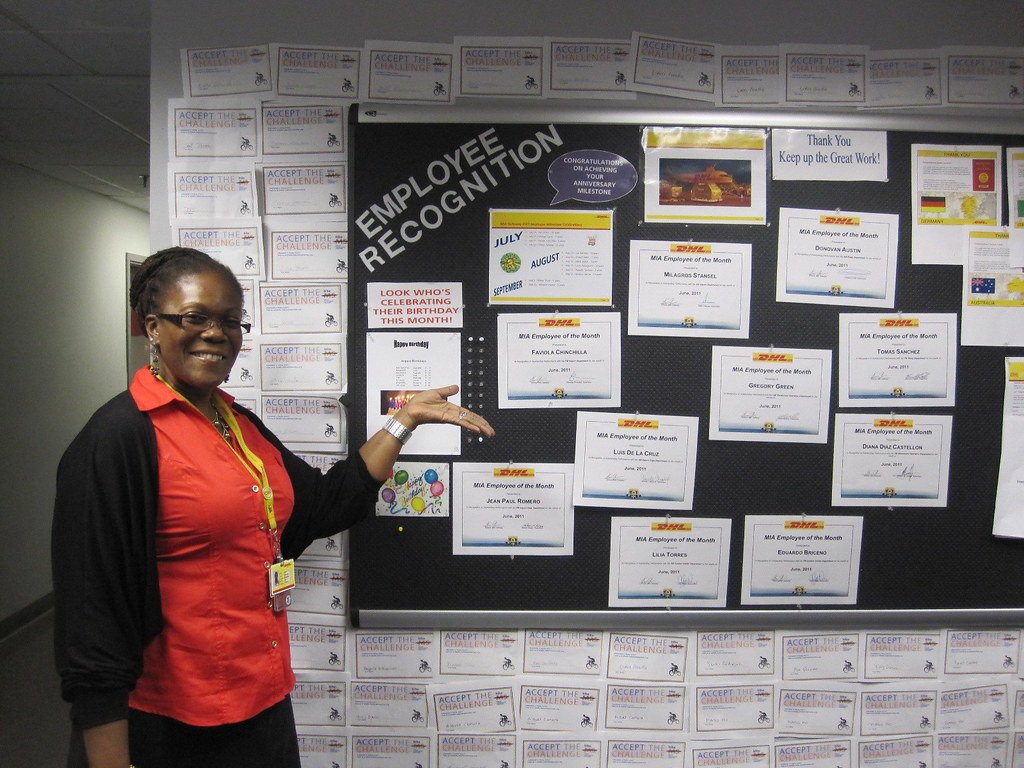
In the realm of remote work, where physical distance can create a sense of detachment, employee recognition becomes a vital tool to foster engagement and motivation. Acknowledging and appreciating the efforts of remote employees not only boosts morale but also strengthens the bond between the organization and its dispersed workforce.

How to Prevent Remote Work Fails by Being Mindful
In the realm of remote work, mindfulness can be the key to success. By staying present and aware, we can prevent common pitfalls such as miscommunication, lack of focus, and burnout, ultimately fostering a harmonious and productive virtual work environment.

The Role of Automation in Remote Team Management
In the era of remote work, automation plays a crucial role in managing teams from afar. From task assignment to performance tracking, automation streamlines processes, enhances productivity, and fosters effective collaboration, ensuring seamless remote team management.

The Role of Emotional Intelligence in Remote Team Building
In the realm of remote team building, emotional intelligence plays a pivotal role in fostering strong connections and collaboration. Understanding and empathizing with the emotions of team members, even from a distance, can lead to enhanced communication, trust, and overall team performance.

The Dangers of Not Keeping Regular Work Hours in Remote Work
In the realm of remote work, the allure of flexible hours can be tempting, but the dangers of not adhering to a regular work schedule can quickly unravel productivity and work-life balance. Without a structured routine, remote workers may find themselves overwhelmed, burnt out, and struggling to maintain boundaries between work and personal life.

How to Prevent Remote Work Fails by Setting Clear Goals
In the realm of remote work, setting clear goals is the compass that guides teams towards success. By establishing a shared understanding of objectives, remote workers can navigate the challenges of distance and ensure their efforts align with the bigger picture, preventing any potential failures along the way.

The Importance of Equal Opportunity in Remote Hiring
In the digital age, remote hiring has become increasingly prevalent, offering a world of opportunities for both employers and job seekers. However, it is crucial to ensure equal opportunity in this process, as remote hiring can inadvertently perpetuate existing inequalities. By prioritizing diversity and inclusivity, organizations can harness the true potential of remote work and create a level playing field for all.